Why Indoor Air Quality Is a Bigger Concern in Sun City, AZ Than Most Residents Realize

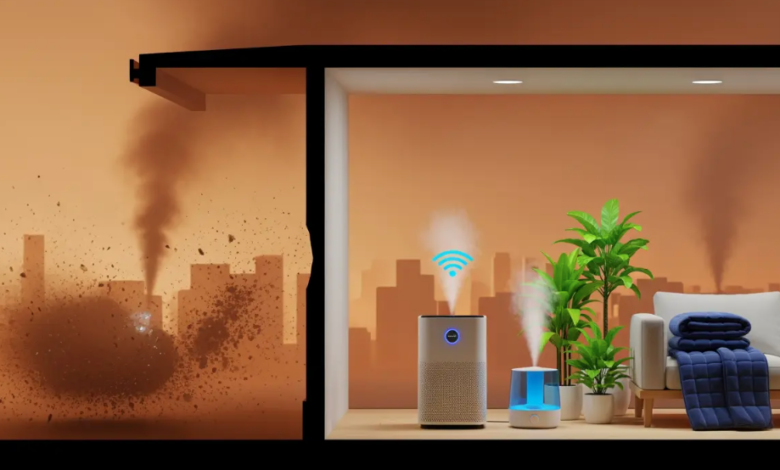
Indoor air quality is a health topic that receives significant public attention in the context of industrial facilities and commercial buildings, but receives far less attention in residential settings. For Sun City, Arizona residents, this gap is a meaningful problem. The combination of aging home construction, desert climate conditions, and extended time spent indoors creates indoor air quality conditions that are often significantly worse than most residents realize, with measurable effects on comfort, respiratory health, and the condition of the home itself.
Why Sun City Homes Are Particularly Vulnerable
Construction Era and Envelope Characteristics
Homes built in Sun City between 1960 and 1988 were constructed to the energy and building standards of their time. Those standards prioritized ventilation differently than current construction practices. Many Sun City homes have less airtight building envelopes than newer construction, which means outdoor air and everything it carries, including desert dust, pollen, and particulates from surrounding natural areas, infiltrates the home through gaps in the building shell that modern construction techniques would seal.
This increased infiltration rate means that the filtration capacity of the HVAC system plays a larger role in managing indoor air quality than it would in a well-sealed newer home. When the HVAC filter is inadequate for the particulate load, or when it is not changed frequently enough, contaminants accumulate inside the home rather than being captured at the filter.
See also: Key Approaches to Achieve a Successful Home Sale in the Current Market
Air Sealing Renovations and Unintended Consequences
Sun City homeowners who have made energy efficiency improvements, such as adding weatherstripping, replacing windows, or adding attic insulation, have reduced the infiltration rate of their homes. This is beneficial for energy costs and thermal comfort, but it can reduce natural air exchange to levels where indoor pollutants, including off-gassing from furnishings, cleaning products, and building materials, accumulate in the living space. In homes where significant air sealing work has been done without adding a mechanical ventilation system, indoor air quality can actually decline even as energy efficiency improves.
The Desert Dust Problem
Particle Size and Health Relevance
Desert dust in the Phoenix metro area, including the Sonoran Desert regions surrounding Sun City, contains a high proportion of very fine particles. The particles most relevant to respiratory health are those smaller than 2.5 micrometers in diameter, referred to as PM2.5. Particles of this size are small enough to bypass the upper respiratory defenses of the nose and throat and reach the lower airways. The U.S. Environmental Protection Agency identifies chronic PM2.5 exposure as associated with respiratory irritation, aggravation of conditions such as asthma and COPD, and cardiovascular effects in sensitive populations.
Older adults, who make up the majority of Sun City’s population, are among the populations most sensitive to PM2.5 exposure according to EPA guidance on air quality and health. The combination of an older population and a high-particulate outdoor environment makes indoor air quality management more directly relevant to health in Sun City than in many other residential communities.
How Desert Dust Enters Homes
Desert dust enters homes through multiple pathways: infiltration through gaps in the building envelope, introduction on shoes and clothing, entry during brief door openings, and transport through the HVAC system when outdoor air enters through the air handler or through duct leaks in unconditioned spaces. Standard one-inch flat fiberglass filters used in many HVAC systems carry a MERV rating of 1 to 4, which captures large particles but allows fine PM2.5-size particles to pass through into the living space and accumulate over time.
Upgrading to a higher-MERV filter, specifically MERV 11 or MERV 13, captures significantly more fine particulate matter on each air handling cycle. However, homeowners should verify that their air handler can accommodate a higher-resistance filter without restricting airflow to the point where system performance suffers. A qualified technician can evaluate this compatibility and recommend the highest appropriate filter rating for the specific system installed in a home.
Mold and Moisture During Monsoon Season
Sun City experiences Arizona’s monsoon season from approximately June through September. During this period, outdoor humidity levels can spike dramatically from the baseline of five to fifteen percent that characterizes most of the year to fifty or sixty percent during active monsoon events. Air conditioning systems that are running properly during this period remove indoor humidity as part of their normal operation.
Systems that are undersized, short-cycling, or operating with contaminated evaporator coils may not dehumidify effectively during these humidity spikes. Indoor humidity above 50 to 60 percent creates conditions where mold can grow on organic surfaces in the home. In older Sun City homes with older building materials, mold growth in attic spaces, behind walls, or in duct systems can introduce mold spores into the air supply over an extended period without producing the visible mold growth that most homeowners watch for.
How HVAC Systems Can Improve Indoor Air Quality
Higher-MERV Filtration
Upgrading from a standard low-MERV filter to a MERV 11 or MERV 13 filter is the most accessible and cost-effective improvement most homeowners can make. The higher-density filter media captures finer particles on each air handling cycle. Combined with the extended run times that characterize Sun City’s long cooling season, the cumulative filtration benefit of a higher-MERV filter is substantial over the course of an Arizona summer.
UV Germicidal Lights
UV-C germicidal lights installed in the air handler target biological contaminants including mold spores, bacteria, and certain viruses by disrupting their cellular structure. These systems are positioned to illuminate the evaporator coil, which is a surface that can harbor mold growth in high-humidity conditions, and the air stream passing through the air handler. UV germicidal systems require periodic bulb replacement to remain effective but are otherwise low-maintenance additions to an existing HVAC system.
Bipolar Ionization
Bipolar ionization systems introduce positive and negative ions into the air stream. These ions attach to airborne particles, including fine dust, allergens, and some biological contaminants, causing the particles to cluster together into larger aggregates that are more easily captured by the filter. Bipolar ionization systems are typically installed in the air handler and operate continuously whenever the system is running, requiring minimal maintenance beyond periodic inspection.
Practical Steps for Sun City Homeowners
- Change air filters on a monthly schedule during the April through October cooling season rather than the quarterly schedule many filter manufacturers suggest for moderate climates.
- Inspect and clean the condensate drain line at least twice during the cooling season to prevent backups that could introduce moisture and mold risk.
- Schedule an annual HVAC maintenance visit that includes evaporator coil inspection and cleaning to prevent biological growth on this moisture-prone surface.
- Consider a MERV 11 or MERV 13 filter upgrade after verifying compatibility with the existing air handler’s airflow requirements.
- After significant haboob events, inspect and change the air filter immediately regardless of the scheduled replacement timing.
Working With an IAQ Specialist in Sun City
Addressing indoor air quality in an older Sun City home benefits from working with an HVAC contractor who has experience with both the equipment side and the air quality side of residential systems. A thorough indoor air quality evaluation identifies the specific contaminant sources and system limitations affecting a particular home and recommends solutions that are proportional to the actual problem rather than a generic product recommendation.
A Quality HVAC and Plumbing Services LLC provides indoor air quality services in Sun City, AZ as part of its full-service HVAC coverage of the West Valley. With technicians familiar with the construction characteristics and air quality challenges common in Sun City homes, the company can recommend and install filtration, UV, and ionization solutions that match both the home’s needs and the homeowner’s health priorities.